
On this page
Many buyers planning a sesame oil project ask the same first question: “Do I really need a sesame seed cleaning machine before the press?” The short answer is yes, and not because cleaning increases oil yield directly — it does not — but because every downstream problem in a sesame oil line can be traced back to inconsistent raw material. This article explains why cleaning sesame before pressing matters, what kind of damage uncleaned seed actually does to the roaster, the press and the final oil, and where cleaning fits in the buyer’s decision process.
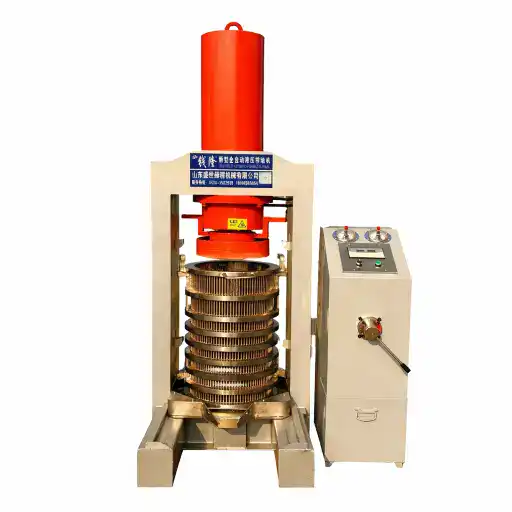
If raw sesame is not cleaned properly, the effect shows up everywhere. Roasting becomes uneven, the hydraulic press cake holds more residue, the filter clogs faster, and the bottled oil looks darker than it should. These problems do not show up on day one — they accumulate, and by month three the workshop is running 20% slower than projected. This is the part most buyers underestimate when they compare cleaning equipment by price alone.
What “uncleaned” sesame actually contains
Raw sesame coming from the field or from a bulk supplier is not the same material that ends up in a glass bottle on a retail shelf. Between harvest and pressing, sesame typically picks up:
- fine dust and powder from transport and storage
- light impurities such as dry leaves, stems and husk
- stones, sand and heavy soil particles
- oversized debris and stalk pieces
- metal contaminants from harvesting and bagging
- broken and immature seeds with different moisture content
A sesame cleaning machine separates these impurities by size, density and weight before they enter the next stage. The practical goal is not visual cleanliness — it is to feed uniform, stable raw material into the roaster and the press.
Where each type of impurity does damage
Skipping the cleaning step does not break the line all at once. It creates a slow tax on every downstream stage. Use this table when you are talking to your supplier about line layout — it tells you which impurity hurts which machine.
| Impurity type | Effect on roasting | Effect on hydraulic press | Effect on final oil |
|---|---|---|---|
| Dust & fine powder | Uneven heat transfer, sooty residue | Cake compaction issues, slower drainage | Cloudy oil, faster filter clogging |
| Stems & leaves | Smoke, off-flavors | Bridges in feeder, irregular cakes | Bitter / smoky aroma profile |
| Stones & sand | Hot spots, abrasive damage | Damages press plates and seal rings | Trace mineral contamination |
| Metal fragments | Sparks, drum scoring | Severe — can dent platen or jam piston | Recall-level contamination risk |
| Broken / immature seeds | Burn before mature seeds roast | Lower oil release, higher residual | Darker color, shorter shelf life |
Of these, the metal fragments and stones are the ones that justify the cleaning machine on their own. A single 5 mm stone in a 100 kg cake on a Model 325 press at 60 MPa system pressure is enough to score a press plate — that’s a $400–$800 repair plus 2–3 days of downtime. The cleaning machine pays itself back the first time it catches one.
Five concrete benefits of cleaning before pressing
1. More even roast color across the batch
Sesame aroma comes from the Maillard reaction during roasting, and that reaction is sensitive to seed-size uniformity. A cleaned, graded batch reaches the same internal temperature at the same time. Uncleaned material with mixed husk and broken seeds gives you a 20–30 °C effective spread inside the drum.
2. Lower residual oil in the cake
Hydraulic pressing relies on uniform cake density. Dust and broken seed compact too tightly and trap oil; stems and stalks create channels that release oil unevenly. A clean batch typically gives 1–2 percentage points better cake yield on the same press, same time, same temperature.
3. Equipment protection — measurable in $ saved
Press plates, seal rings, conveyor screws and roaster paddles all wear faster on uncleaned material. Workshops running without a cleaner typically replace these parts 2–3× more often. On a small commercial line that’s $1,500–$3,000 per year of avoidable maintenance.
4. Filter life extended 3–5×
Filter paper and filter plates clog mostly from fines and dust, not from oil itself. Removing fines upstream extends a single filter run from ~2 hours to ~8 hours of continuous operation, which directly raises daily output without touching the press.
5. Cleaner brand story for premium retail
If you sell cold-pressed or shop-front fresh sesame oil, the cleaning machine is also a marketing surface. Customers who can see seed cleaning happening before pressing buy more readily — it makes the freshness story tangible.
Where cleaning fits in the line layout
For most sesame oil projects, the practical sequence is:
- Raw seed reception & bulk storage
- Pre-cleaning (large debris removal)
- Stone & metal removal (this is the critical safety step)
- Optional washing and centrifugal drying
- Roasting / steaming
- Hydraulic pressing
- Filtration
- Filling & packaging
If you are still picking the right cleaning machine for your specific project size, our buyer guide on how to choose a sesame cleaning machine walks through small mill, premium workshop and commercial factory configurations. For a complete pre-treatment line with washing, drying and grading, see our sesame pre-cleaning line solution.
Common mistakes buyers make on cleaning
- Buying the press first and bolting cleaning on later without layout planning
- Assuming manual hand-sorting is good enough for commercial batches
- Ignoring raw-material variation between supplier shipments
- Skipping the destoner because “this batch looks clean”
- Choosing capacity only by price instead of line balance
These mistakes do not show up on the first day of operation. They show up after repeated production, when quality inconsistency, equipment wear or filter blockage becomes obvious. By that point, retrofitting cleaning into a finished workshop is 2–3× more expensive than building it in from the start.
FAQ
Does sesame cleaning increase oil yield directly?
Not directly. Cleaning removes mass that would never have produced oil anyway. The yield improvement comes indirectly — through more uniform roasting, more uniform cake density, and lower residual oil left in the press cake. Net effect on a small commercial line is typically 1–2 percentage points of additional crude oil from the same kg of raw seed.
Can a small workshop skip the cleaning machine?
For small workshops processing < 50 kg/day of pre-cleaned premium-grade sesame, manual sorting can work. For anyone processing more than 100 kg/day, or sourcing from multiple suppliers with mixed quality, an automated cleaning machine is strongly recommended.
What is the most damaging impurity in raw sesame?
Metal fragments and stones, by a wide margin. They can damage hydraulic press plates and seal rings on a single bad batch. Every commercial sesame oil line should have at least a magnet trap and a destoner before the press, regardless of supplier reputation.
Should cleaning be planned with roasting and pressing together?
Yes. Cleaning, roasting, pressing and filtration are one balanced system. Selecting them separately almost always creates throughput mismatches — one stage waits on another and overall capacity drops 20–40% below nameplate.
Conclusion
The reason to clean sesame before pressing is not to make the seed look pretty — it’s to protect the rest of your investment. The cleaning machine is the cheapest insurance policy on the line: it pays for itself the first time it catches a stone or a piece of metal, and over a year it shows up as lower maintenance, higher cake yield and longer filter life. If you are designing a new sesame oil line or upgrading an existing one, plan the cleaning section first, then build the rest of the line around it.
Tell us your daily sesame volume, the typical impurity level you see, and whether you’re running a fresh-oil shop, a premium brand or a commercial line. We’ll come back within 24 hours with a cleaning machine recommendation matched to your sesame hydraulic press and roaster choice.
Request a Quote for Your Sesame Cleaning + Pressing Line →
Related Reads
Project planning
Configure the right oil press and production line
Send your oilseed, target output, bottle or packaging requirements, power supply, and destination country. We will match the machine, supporting equipment, and line layout.