
On this page
Oil from a hydraulic oil press can look perfect on the day it is filtered and turn cloudy on a cold shelf a month later. That haze is usually wax and other high-melting components that come out of the seed with the oil. Winterization (dewaxing) removes them by chilling the oil slowly, letting the wax form crystals, and filtering the crystals out. This guide explains when you need it, what a small winterization unit contains, and how it fits after the press.
Filtering and winterization are different steps
| Normal filtration | Winterization | |
|---|---|---|
| Removes | Cake particles and fine solids | Wax and high-melting components |
| Oil temperature | Warm, about 60–70°C | Chilled slowly, then filtered cold |
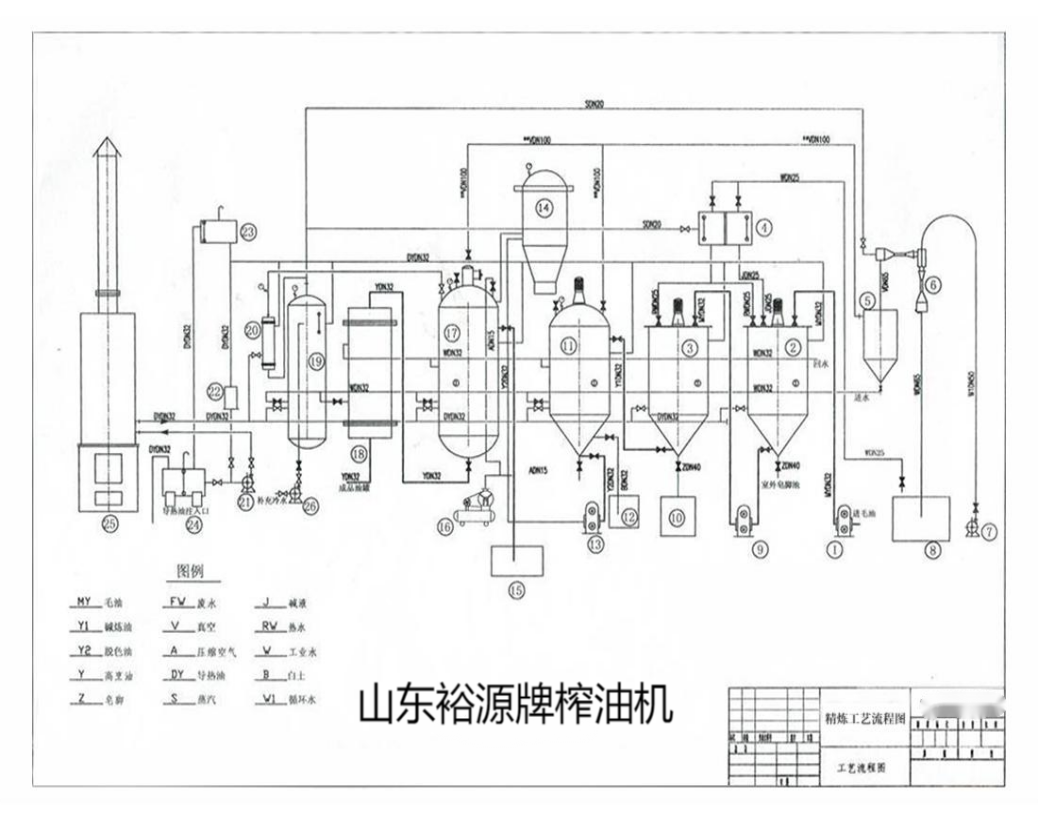
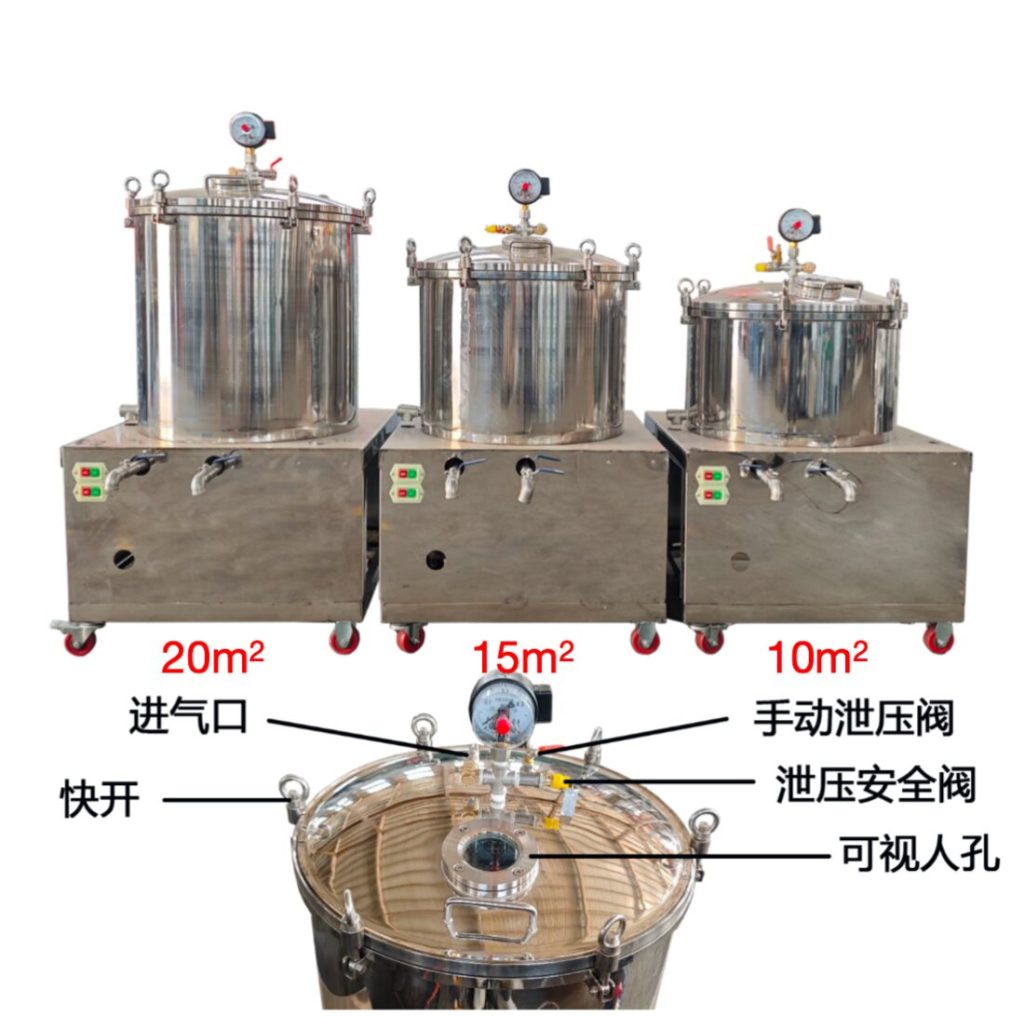
| Equipment | Paper-leaf or paper-stack filter | Crystallization and crystal-aging tanks, chiller, pumps, filter |
| Needed for | Every pressed oil | Oils sold clear that must stay clear when cold |
Warm filtration makes oil clear today. Winterization keeps it clear in a cold warehouse, a supermarket chiller or a northern winter.
Do you need it?
- Usually not for a walk-in oil shop selling fresh crude oil. Customers there buy the natural look and smell, and the oil is used quickly.
- Usually yes for sunflower oil in clear bottles, which is well known for wax haze.
- Often yes for cold-pressed specialty oils sold in clear glass, such as walnut and hemp seed oil. A hemp seed oil line we quoted in 2026 included a dewaxing system for that reason.
- Different problem if the oil needs color, smell or free fatty acid corrected. That is refining; see does pressed oil need refining.
The quickest test: put a bottle of your filtered oil in a refrigerator overnight. If it turns cloudy and clears again when warm, your buyers will see the same thing in winter.
What a 1 t/day winterization unit contains
This is the equipment list we quote for a 1 ton per day winterization workshop:
| Equipment | Model / size | Qty | Notes |
|---|---|---|---|
| Crystallization tank | LYYG-800 | 1 | Stainless steel, 1.5 kW |
| Crystal-aging tank | LYYG-800 | 2 | Stainless steel, 3 kW in total |
| Holding box | 100 × 50 × 50 cm | 3 | Stainless steel |
| Screw pump | RY50-32-200 | 3 | Stainless pump head; spare rubber parts included |
| Oil trough | 3 | Stainless steel | |
| Gear oil pump | KCB-55.5 | 4 | Stainless pump head |
| Filter | 3 | ||
| Refrigeration unit | XY-5A | 1 | 5 HP |
| Installation materials | 1 lot | Oil piping, vacuum and cooling systems, platform, supports, instruments |
For smaller volumes there is a compact 5 HP system that handles about 250 kg, with the crystallization, crystal-aging and dewaxing tanks in one set.
How it fits after the press
- Press: hot or cold pressing on the hydraulic press.
- Warm filtration: remove cake particles at about 60–70°C.
- Crystallization: chill the oil slowly with gentle stirring so the wax forms crystals.
- Crystal aging: hold the chilled oil so the crystals grow large enough to filter.
- Cold filtration: filter out the wax crystals. The pneumatic paper-stack filter we use for crude oil also does this job.
- Storage and filling: stainless tanks, then bottling.
Two practical notes. First, wax crystals are fragile: pump with screw or gear pumps and stir gently, or the crystals break and pass the filter. Second, we do not use a centrifuge here, because it needs added water, which shortens the oil’s shelf life.
The exact cooling curve and holding time depend on the oil and how much wax it carries. Send us a sample or your oil type and we will set them for you.
Not sure your oil needs it? Tell us the oil, your daily volume and where it will be sold, and we will tell you whether a winterization unit is worth adding. Contact us.
Related Reads
- How to Choose Oil Filtration Equipment
- Does Pressed Oil Need Refining?
- 1 TPD Walnut Oil Refining and Dewaxing Plant
- Cold-Pressed Hemp Seed Oil Line with a Hydraulic Press
FAQ
What is winterization of edible oil?
Chilling oil slowly so wax and high-melting components form crystals, holding it so the crystals grow, then filtering them out. It keeps the oil clear when it is cold.
Is winterization the same as refining?
No. Refining corrects color, smell and free fatty acids. Winterization only removes wax. Many pressed oils need one without the other.
Which oils need dewaxing?
Sunflower oil sold in clear bottles is the classic case. Cold-pressed walnut and hemp seed oil sold in clear glass often need it too. A refrigerator test on your own oil is the quickest check.
Can I use my normal oil filter for dewaxing?
The pneumatic paper-stack filter can do both jobs, but dewaxing also needs crystallization and crystal-aging tanks and a chiller ahead of it.
How big is a small winterization unit?
A compact 5 HP system handles about 250 kg. A 1 t/day workshop uses an 800-type crystallization tank, two aging tanks, pumps, filters and a 5 HP chiller.
Project planning
Configure the right oil press and production line
Send your oilseed, target output, bottle or packaging requirements, power supply, and destination country. We will match the machine, supporting equipment, and line layout.