
On this page
- Why a retail oil shop needs a different machine logic from a factory
- What buyers should evaluate before choosing the machine
- Why the Korean type route is usually the best first-stage retail answer
- Buyer logic: when should a retail shop move beyond the compact route?
- How a retail machine affects conversion, not just production
- FAQ about oil press machine for fresh oil retail business
- Quick answer: which route converts best at store level?
- Tell us your fresh-oil retail business plan for a quote
Oil press machine for fresh oil retail business should be selected according to how a store wins trust, converts walk-in traffic, and keeps operations simple enough to repeat every day. A fresh-oil shop is not judged only by output. Customers also notice the machine appearance, the clarity of the process, the visible cleanliness of the setup, and whether the route feels believable in a retail environment. That is why the best retail machine is usually not the biggest one, but the one that turns pressing into a convincing customer-facing experience.
Why a retail oil shop needs a different machine logic from a factory
A factory is optimized for output and process continuity. A retail shop is optimized for trust, space efficiency, customer communication, and manageable startup risk. If the machine looks too industrial, takes too much room, or creates a process that is hard for customers to understand, the store loses one of its strongest selling points. In fresh-oil retail, the machine is part of the product story.
What buyers should evaluate before choosing the machine
- available store space and customer-viewing layout
- whether the shop sells fresh oil only or also bottled oil
- the raw material being pressed and expected operating rhythm
- daily customer flow and realistic output demand
- whether filtration is needed in the first stage
These practical decisions matter more than choosing the largest capacity the budget can reach.
Why the Korean type route is usually the best first-stage retail answer
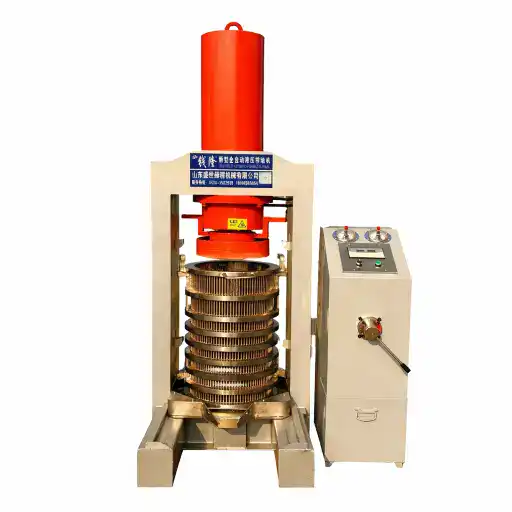
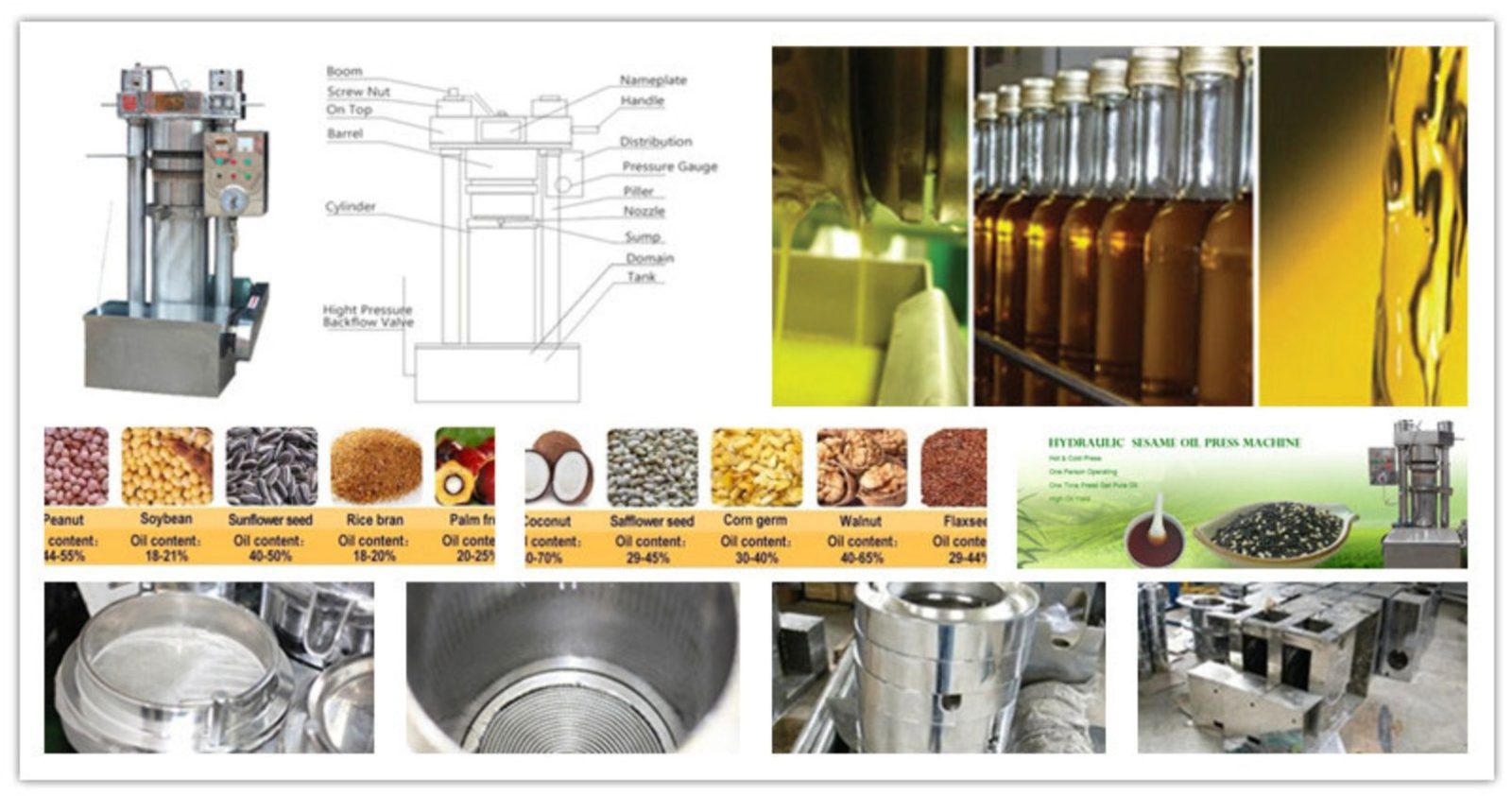
The Korean type small hydraulic oil press machine is often the strongest recommendation for a fresh-oil retail business because it balances compact size, visible operation, easier customer communication, and lower startup pressure. It fits the logic of a store that wants to demonstrate pressing clearly without immediately taking on the complexity of a larger production route.
Buyer logic: when should a retail shop move beyond the compact route?
A shop should think about stronger filtration, packaged-oil expansion, or a more production-oriented route only after the store model is working. Signs include stable customer demand, repeat purchase behavior, stronger interest in bottled products, or a clear need for higher daily batch output. Upgrading before these signals appear often raises cost faster than it raises sales.
- Prove walk-in demand first
- Confirm which oils and product formats customers buy repeatedly
- Add filtration if it improves perceived quality and conversion
- Add packaging only when bottled sales become commercially meaningful
- Upgrade the machine path after the store model is validated
How a retail machine affects conversion, not just production
In a store environment, customers are buying freshness, transparency, and confidence as much as they are buying oil. A compact and understandable machine setup helps staff explain the process, lowers perceived risk for first-time buyers, and supports premium positioning even at a smaller operating scale. This is why a retail machine choice should always be evaluated through buyer psychology, not only through technical output.
FAQ about oil press machine for fresh oil retail business
Is the Korean type route usually the best retail choice?
Yes. For many fresh-oil shops, it is the safest and clearest first-stage route because it is compact, customer-friendly, and commercially easier to manage.
Should a startup shop buy packaging equipment immediately?
Only if bottled-oil sales are already part of the launch plan. Otherwise, staged expansion is usually safer.
What is the biggest retail buying mistake?
Choosing a factory-style route before proving real store-level demand and customer conversion logic.
Can a retail business upgrade later?
Yes. Many fresh-oil shops begin with a compact route and upgrade once customer trust and demand are clearly established.
Quick answer: which route converts best at store level?
| Retail business type | Recommended route | Why it converts |
|---|---|---|
| Fresh-oil startup shop | Korean type small hydraulic oil press machine | Fits visible operation, compact layout, and lower-risk store startup logic. |
| Premium in-store oil concept | Compact route + stronger filtration logic | Improves product perception without forcing an early jump into factory-style investment. |
| Retail first, packaged later | Store route first, then filtration and packaging in stages | Protects cash flow while allowing the shop to expand only after demand is proven. |
Tell us your fresh-oil retail business plan for a quote
Send your store size, raw material, and whether you will sell fresh oil only or add bottled products later. We can recommend a retail oil press route that fits your actual conversion model.
Contact us for model selection, capacity planning, and line configuration support.
For shop-based, fresh-oil, and low-volume startup projects, the Korean type small hydraulic oil press machine is often the better first-stage route before moving to a larger setup.
Project planning
Configure the right oil press and production line
Send your oilseed, target output, bottle or packaging requirements, power supply, and destination country. We will match the machine, supporting equipment, and line layout.