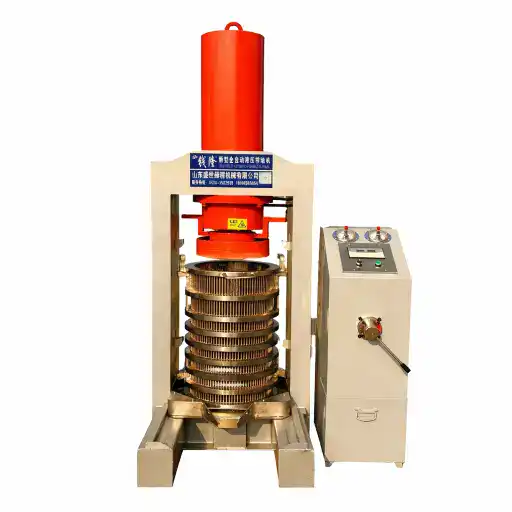
Models 355, 400, 426, 480 and 500
370-630 ton hydraulic cold press models
This range covers five presses with down pressure from 370 to 630 tons. All five use a 60 MPa hydraulic system. The 390 mm barrel accepts batches up to 100 kg, while the 300 mm barrel handles up to 60 kg and applies more pressure to the cake surface.
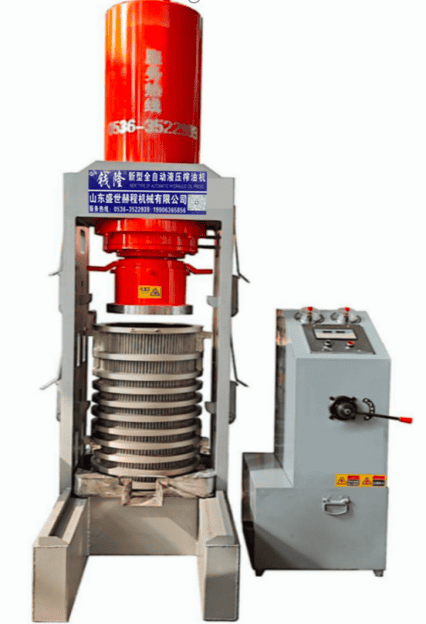
Oilseed suitability
Suitable materials and feed preparation
These presses are used for walnuts, sea buckthorn, perilla, coconut, tea seed, hemp, flaxseed, almonds, pine nuts and pumpkin seeds. The stated batch capacities apply to crushed or powdered material. Whole seeds or nuts may need cleaning, shelling or size reduction before loading.
- Tell us whether the material is whole, shelled, crushed or powdered.
- Moisture, particle size, shell content and oil content all affect the press cycle.
- For a strict cold-press process, specify the maximum material and oil temperature.
- A sample test is recommended when residual oil, cake condition or oil clarity is critical.
Non-food materials
The press can also be configured for waste clay and activated-carbon decolorizer. These materials require a separate process review, including composition, contamination control, discharge condition and cleaning method.
Cold-press process
Prepare the feed, press the batch, and clarify the oil
A complete line normally includes material preparation before pressing and oil clarification afterward. The exact sequence depends on the oilseed.
Batch and cycle
Published batch and cycle figures
Use these figures as a starting point. Actual results vary with the material, moisture, particle size and loading method.
390 mm barrel timing
- Up to 100 kg of crushed or powdered oilseed per barrel
- About 2 hours per barrel, excluding loading and cake unloading
- About 4.5 hours for two barrels, including loading and cake unloading
The 300 mm barrel has a lower batch range of 5-60 kg.
Oil recovery
For many of the listed materials, earlier operating data records about 5% residual oil in the cake, equivalent to roughly 95% oil recovery.
Actual recovery depends on the material variety, oil content, shell, moisture, particle size, loading, cycle settings and filtration. Test the material when the final result is important to the project.
Selection logic
Choose the barrel first, then choose the press force
Barrel diameter determines the batch range and cake surface pressure. Moving up through the model range increases down pressure, cake surface pressure and machine weight, but does not change the listed batch range.
390 mm barrel
The 390 mm barrel covers a 5-100 kg batch range. Across Models 355 to 500, the listed cake surface pressure rises from 31 to 53 MPa/cm2.
- 390 mm internal diameter
- 800 mm barrel height
- Same listed 60 MPa system pressure across all five models
300 mm barrel
The 300 mm barrel covers a 5-60 kg batch range and gives higher cake surface pressure. Across Models 355 to 500, the listed figure rises from 52 to 89 MPa/cm2.
- 300 mm internal diameter
- 800 mm barrel height
- Approximately 0.1 ton less listed machine weight than the 390 mm version of each model
Choosing the model
Press force is only one part of the selection. Send the material, batch range, required cake condition, working schedule and site limits so the barrel and model can be matched to the job.
Specifications
390 mm barrel configuration: 5-100 kg press volume
Dimensions and weights are approximate and include the Control box.
| Model | Down pressure | System pressure | Barrel diameter x height | Press volume | Approx. size with Control box | Approx. weight with Control box | Cake surface pressure |
|---|---|---|---|---|---|---|---|
| 355 | 370 tons | 60 MPa | 390 x 800 mm | 5-100 kg | ~1100 x 800 x 2600 mm | ~1.9 ton | 31 MPa/cm2 |
| 400 | 410 tons | 60 MPa | 390 x 800 mm | 5-100 kg | ~1100 x 800 x 2700 mm | ~2.0 ton | 34 MPa/cm2 |
| 426 | 500 tons | 60 MPa | 390 x 800 mm | 5-100 kg | ~1100 x 800 x 2700 mm | ~2.2 ton | 42 MPa/cm2 |
| 480 | 600 tons | 60 MPa | 390 x 800 mm | 5-100 kg | ~1100 x 800 x 2700 mm | ~3.1 ton | 50 MPa/cm2 |
| 500 | 630 tons | 60 MPa | 390 x 800 mm | 5-100 kg | ~1100 x 800 x 2700 mm | ~3.3 ton | 53 MPa/cm2 |
Specifications
300 mm barrel configuration: 5-60 kg press volume
This version uses a 300 mm barrel while keeping the same model down pressure, 60 MPa system pressure and 800 mm barrel height.
| Model | Down pressure | System pressure | Barrel diameter x height | Press volume | Approx. size with Control box | Approx. weight with Control box | Cake surface pressure |
|---|---|---|---|---|---|---|---|
| 355 | 370 tons | 60 MPa | 300 x 800 mm | 5-60 kg | ~1100 x 800 x 2600 mm | ~1.8 ton | 52 MPa/cm2 |
| 400 | 410 tons | 60 MPa | 300 x 800 mm | 5-60 kg | ~1100 x 800 x 2700 mm | ~1.9 ton | 58 MPa/cm2 |
| 426 | 500 tons | 60 MPa | 300 x 800 mm | 5-60 kg | ~1100 x 800 x 2700 mm | ~2.1 ton | 71 MPa/cm2 |
| 480 | 600 tons | 60 MPa | 300 x 800 mm | 5-60 kg | ~1100 x 800 x 2700 mm | ~3.0 ton | 85 MPa/cm2 |
| 500 | 630 tons | 60 MPa | 300 x 800 mm | 5-60 kg | ~1100 x 800 x 2700 mm | ~3.2 ton | 89 MPa/cm2 |
Pressure unit
Cake surface pressure is shown exactly as it appears in the machine data: MPa/cm2. When comparing these figures with another press, check that both suppliers use the same calculation method.
Machine construction
Main components
The exact component list can vary by model and electrical specification. The following describes the standard construction of this press range.
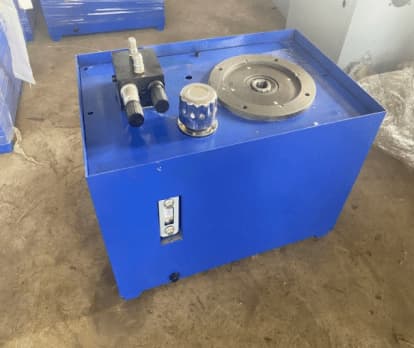
Hydraulic station
High-low dual-pump system
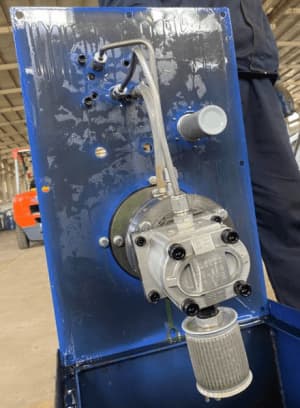
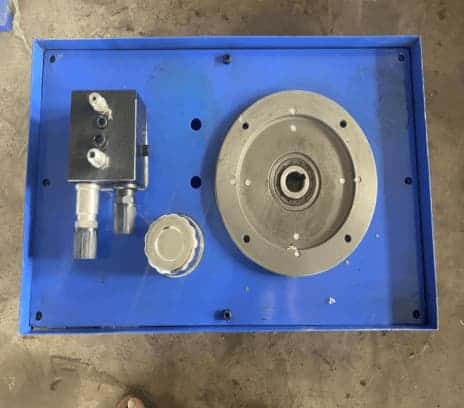
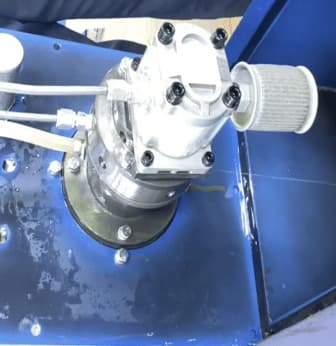
The hydraulic station uses a high-low dual-pump system. Its working-pump rating is 80 MPa, while the system runs continuously at 60 MPa. Relief valves and two high-pressure safety valves protect the circuit.
Pressing barrel
Trapezoidal key-bar structure
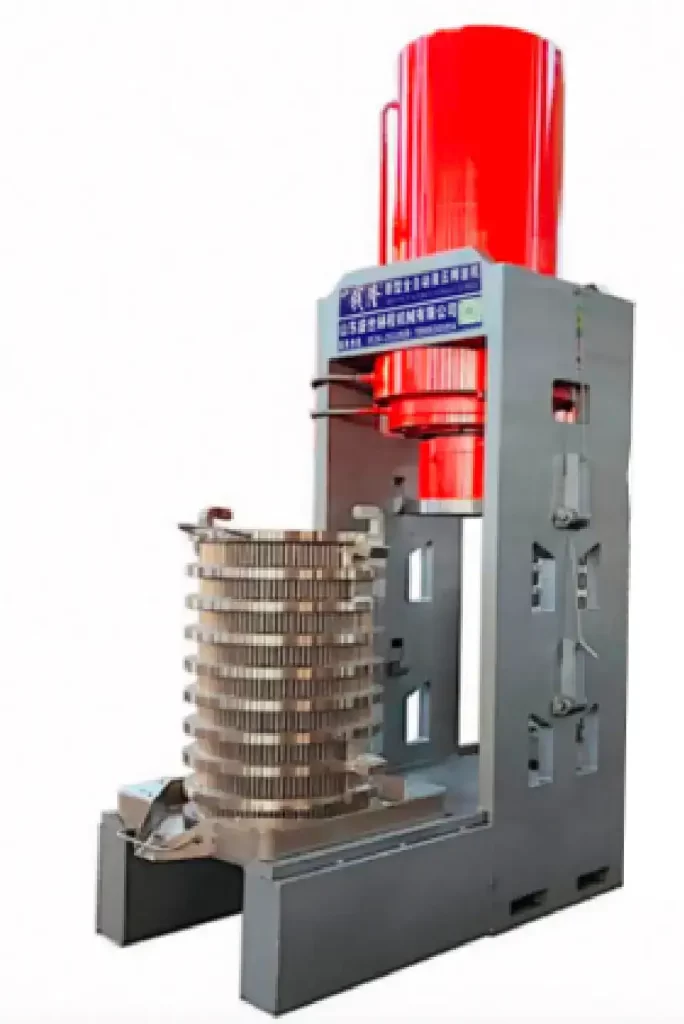
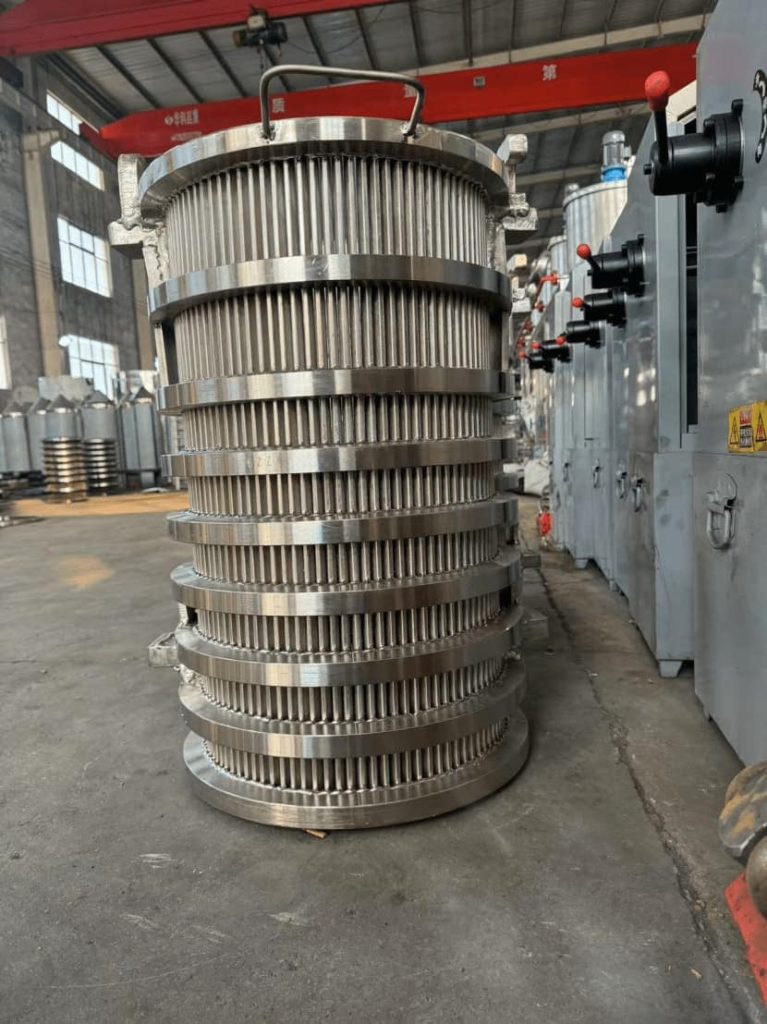
The pressing barrel uses evenly spaced welded key bars, a forged reinforcing flange and Q690 high-strength alloy steel. Barrel diameter is selected for the required batch range and cake pressure.
Motor and control
2.2 kW drive with microcomputer control
The control system includes two pressure gauges, two high-pressure controls and two electrical high-pressure safety devices. Voltage, frequency, phase and control language are set for the installation site.
Cylinder and frame
Alloy cylinder in an integrated steel frame
The cylinder uses 27-silicon-manganese alloy tubing with GL and Y-type seals and front and rear guide bands. The press is built around an integrated molded-steel frame.
Supporting equipment
Equipment used before and after pressing
The required equipment depends on the raw material and the final oil condition. A typical line may include cleaning and crushing before the press, followed by filtration, storage and filling.
Site planning
Check access, floor, and service space
Depending on the model and barrel, the machine is approximately 2600-2700 mm high and weighs about 1.8-3.3 tons with the Control box. Use the selected model dimensions for workshop planning.
- Door, container, lifting, and internal handling clearances
- Ceiling height and maintenance access above the cylinder
- Floor loading, level, anchoring, and oil-containment plan
- Operator access for barrel filling and cake unloading
- Crude-oil collection, filtration, clean storage, and transfer route
Maintenance scope
Service points to agree before shipment
Before shipment, agree on the maintenance schedule, hydraulic-fluid grade and spare-parts package for the selected model.
- Record the seal, guide-band, pressure-gauge and valve part numbers.
- List the seal kits and filter items included with the machine.
- Set the approved hydraulic-fluid grade and change schedule.
- Include the barrel cleaning and inspection procedure.
- Keep the operating, electrical, hydraulic and troubleshooting documents with the machine.
Buyer checklist
Information needed for model selection
When you contact us, these details help us match the barrel, press force, electrical package and supporting equipment.
Material and process inputs
- Exact oilseed or process material, intended use, and sample photos
- Incoming form, cleanliness, shell, moisture, particle size, and oil content if known
- Current cleaning, shelling, crushing, and temperature-control method
- Required batch range, operating hours, and daily input target
- Required oil condition, cake condition, and intended cake use
Machine and project inputs
- Preferred barrel diameter (390 mm or 300 mm), if already known
- Preferred model, if already known
- Local voltage, frequency, phase, and control-language requirement
- Workshop dimensions, access route, utilities, and installation constraints
- Filtration, storage, filling, destination, documentation, and spare-parts scope
Machine details
Press construction and cake discharge
The video shows cake discharge after pressing. The photographs below show the hydraulic station, motor, Control box, cylinder and steel frame.
Hydraulic press-cake discharge result
Cake condition after a pressing cycle.
Machine photographs
Hydraulic station detail
Hydraulic station detail
Hydraulic station detail
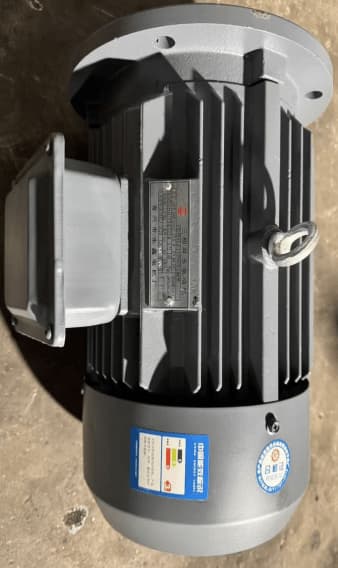
2.2 kW motor
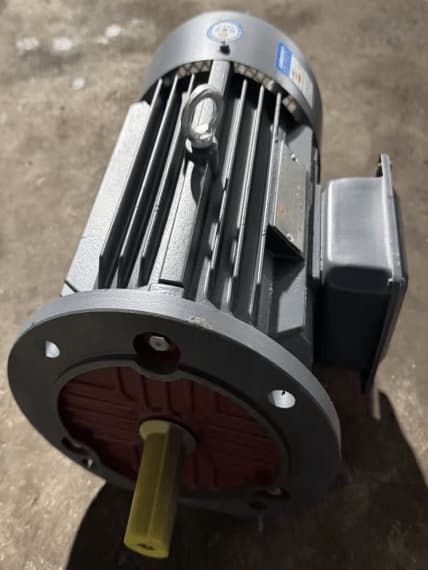
2.2 kW motor
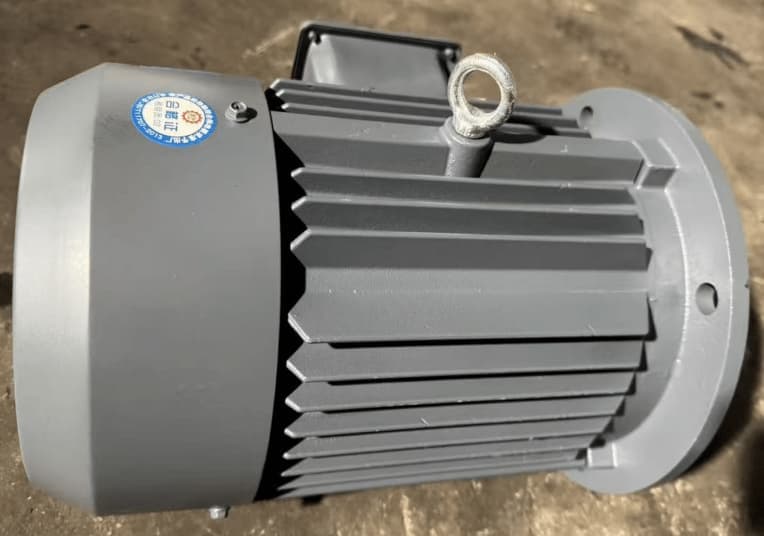
2.2 kW motor
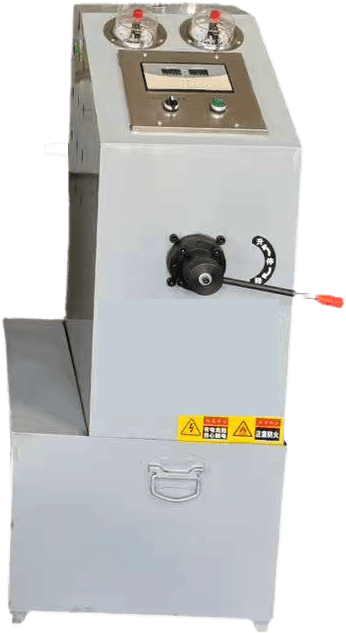
Control box
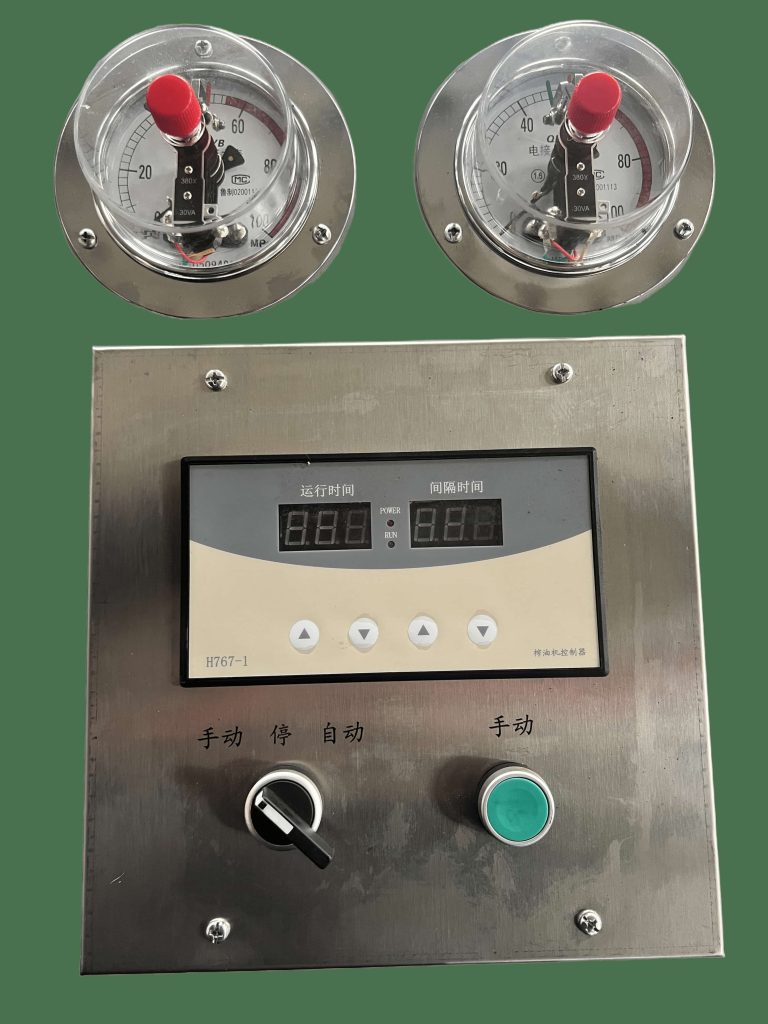
Control box
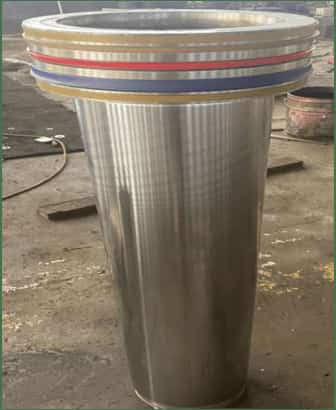
Hydraulic cylinder
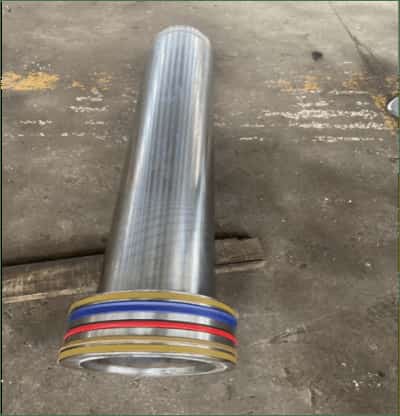
Hydraulic cylinder
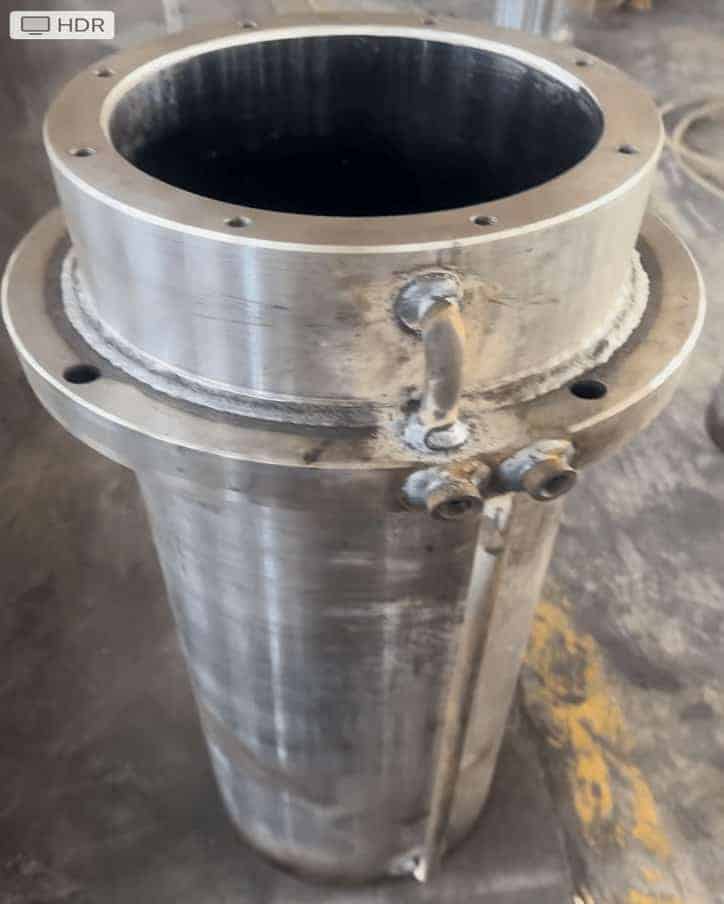
Hydraulic cylinder
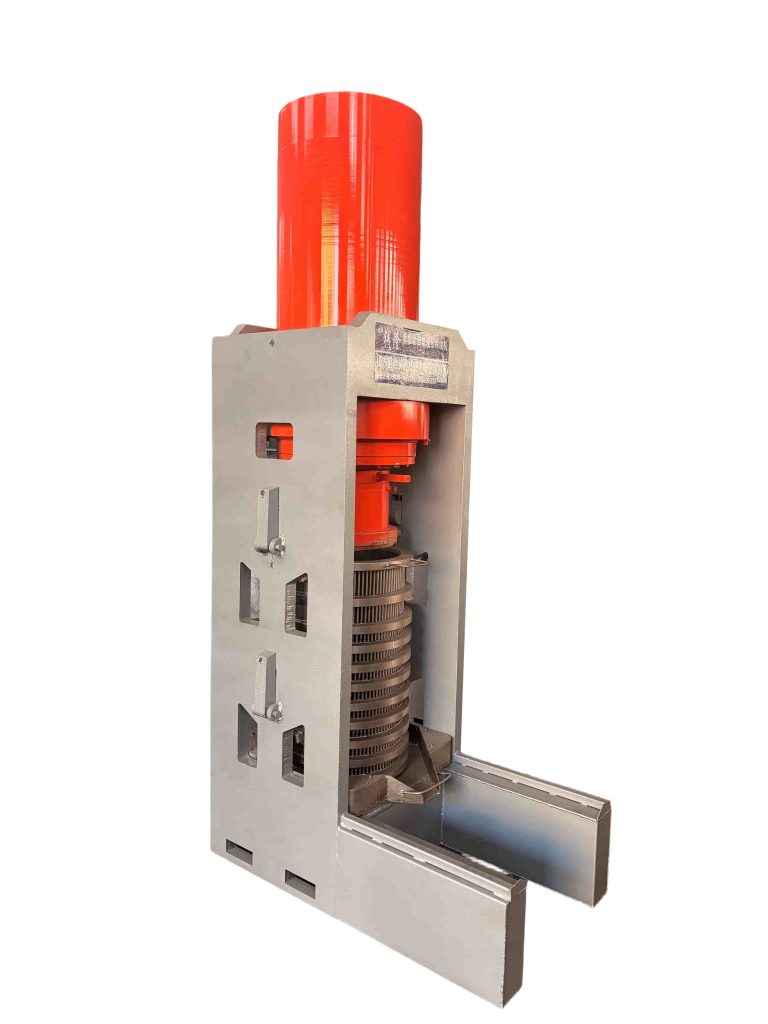
Integrated steel frame
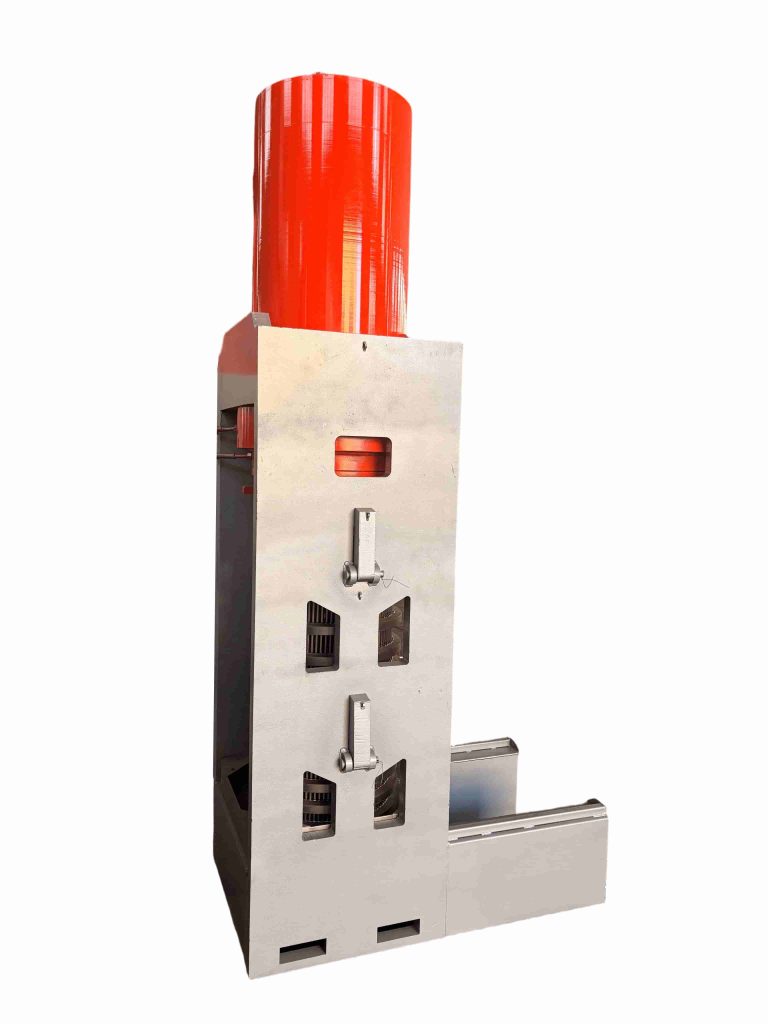
Integrated steel frame
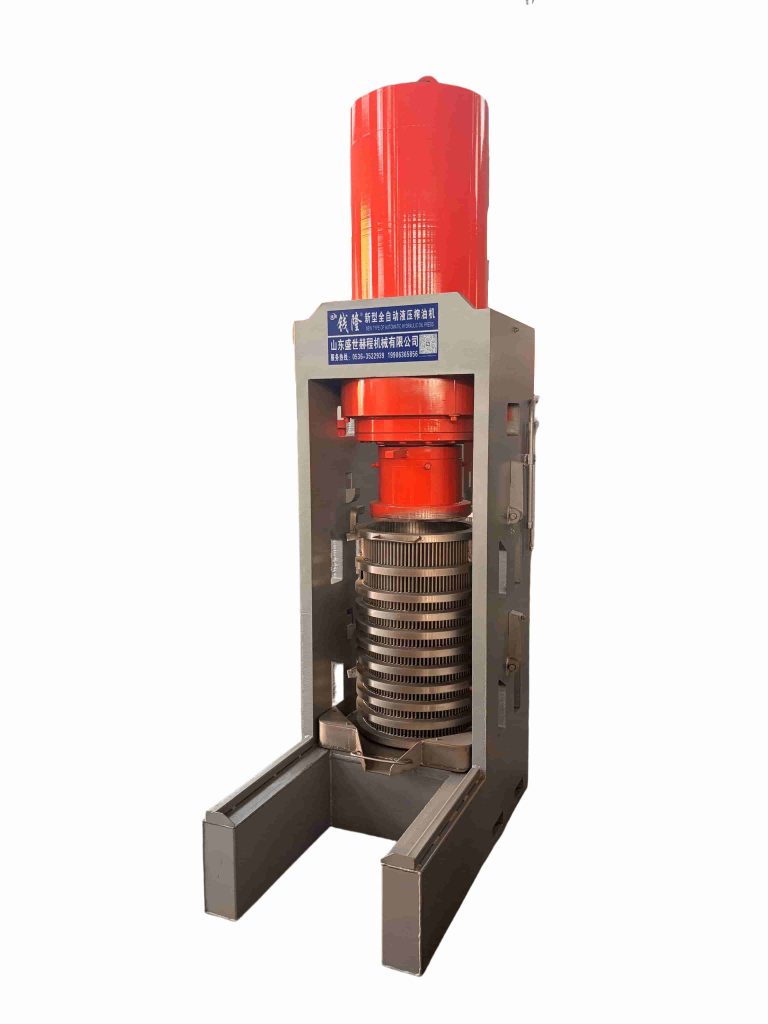
Integrated steel frame
Related cold-press guides
Cold-press selection and process guides
Use these guides to compare batch capacity, barrel layout, material preparation and operating methods.
Tell us what you plan to press
Send the material, batch target, working hours, power supply, destination and any filtration or filling requirements. We will recommend a model and barrel size.