
On this page
- Quick answer: which buyer type should choose a hydraulic oil press machine for premium batch production?
- What does premium batch production really mean?
- Why the 325 hydraulic route is often the strongest premium-batch recommendation
- When a simpler route still makes sense
- Which buyer types usually benefit most from a hydraulic premium-batch route?
- When NOT to choose a premium-batch hydraulic route first
- How should buyers compare premium-batch route versus simpler startup route?
- What support sections matter in premium batch production?
- What are the most common buyer mistakes?
- How should buyers stage investment for premium-batch growth?
- What should buyers prepare before asking for a recommendation?
- Quick recommendation by buyer type
- FAQ about the best hydraulic oil press machine for premium batch production
- Tell us your premium batch production plan for a recommendation
Best hydraulic oil press machine for premium batch production should not be answered with a vague “best machine” statement. The right answer depends on what kind of premium batch business the buyer is actually building. Some buyers are producing higher-value edible oil in smaller, more controlled batches and need a route that supports product quality and positioning. Others are still comparing premium batch production against lower-cost startup options and need to know whether a stronger hydraulic route is justified now or later. That is why this keyword should be handled as a buyer-type and business-stage selection question, not just as a product label.
In practical commercial use, premium batch production usually means the buyer cares more about product quality, route stability, and market positioning than about simply pressing the largest possible volume at the lowest first-stage cost. This changes the recommendation logic immediately. Instead of asking only which machine can press oil, buyers should ask which machine route fits premium batch business most honestly.
Quick answer: which buyer type should choose a hydraulic oil press machine for premium batch production?
| Buyer type | Recommended route | Why |
|---|---|---|
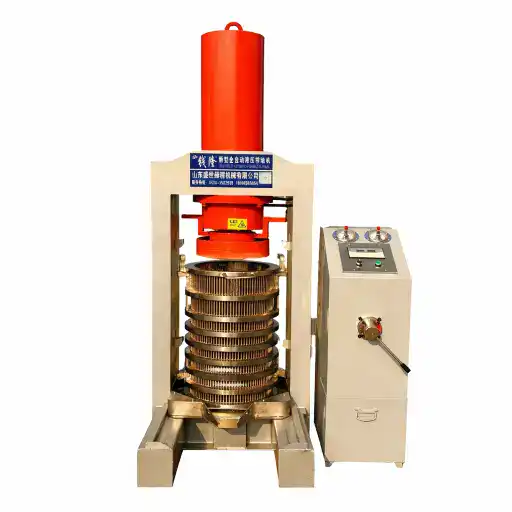
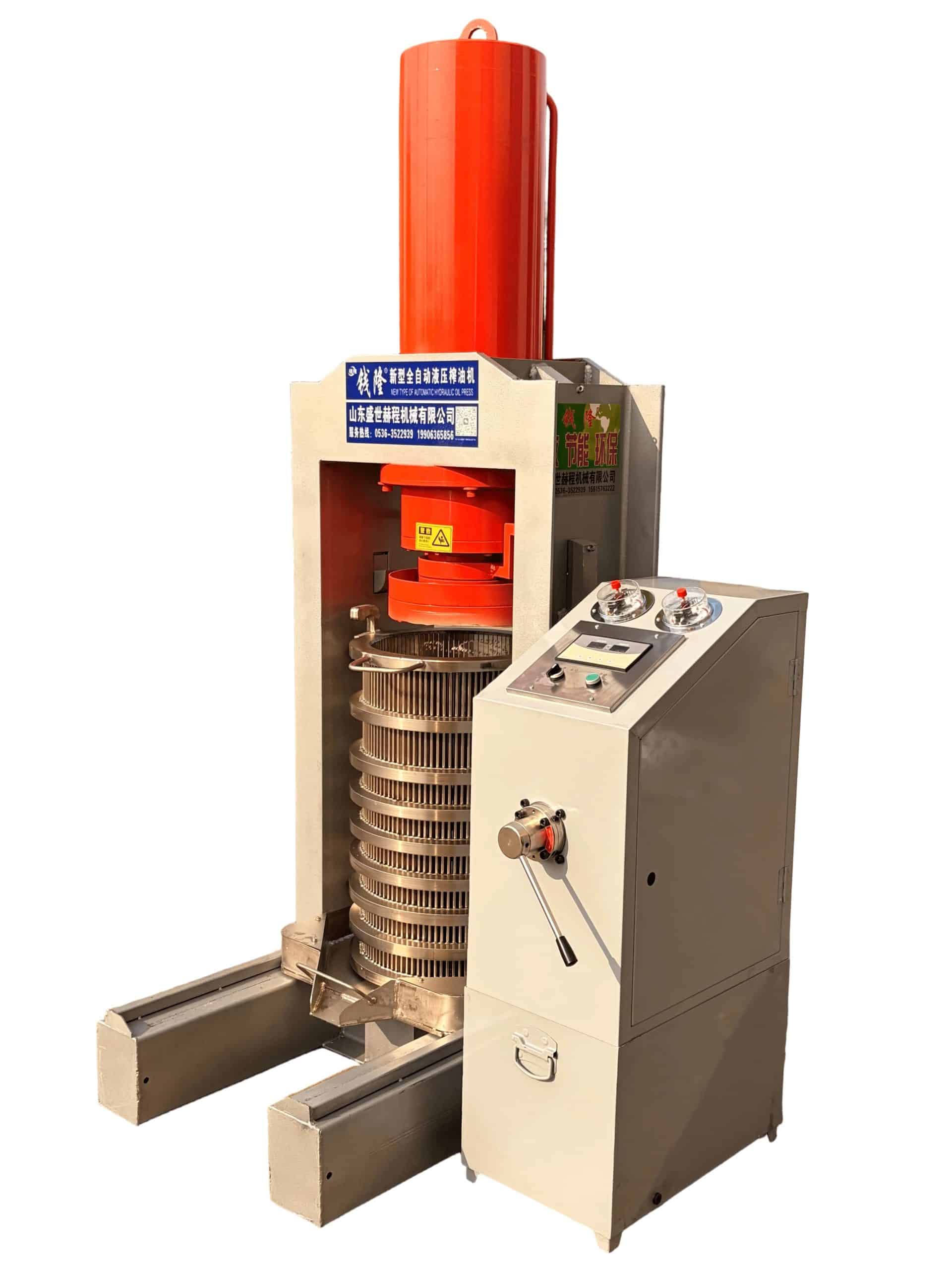
| Premium sesame oil workshop | 325 hydraulic oil press machine | Usually the strongest match for premium batch-style production. |
| Branded bottled-oil startup | 325 route + filtration | Helps support cleaner finished oil and stronger commercial presentation. |
| Simple fresh-oil retail shop | Smaller retail-oriented route may be better | Premium batch logic may be unnecessary at the first stage. |
| Growing small factory with premium segment | 325 + process support | Provides a stronger route for more controlled premium output. |
What does premium batch production really mean?
Premium batch production usually means the buyer is not competing only on raw output volume. The buyer is often trying to produce a more valuable oil product with better positioning, more careful process control, and stronger consistency from batch to batch. This is common in premium sesame oil projects, boutique edible-oil brands, specialty agricultural processing, and commercial buyers who want the route to support product quality rather than only low entry price.
That is why the recommendation often moves toward the 325 hydraulic oil press machine. It is not because the stronger hydraulic route should always be sold. It is because premium batch production usually requires stronger route logic than a simple shop-level setup.
Why the 325 hydraulic route is often the strongest premium-batch recommendation
The 325 route is often a better answer for premium batch projects because it fits buyers who care about controlled production, product credibility, and a more commercial premium route. For these buyers, choosing only by the smallest first-stage quote often leads to a route that feels too light once the product must actually compete in the market.
This is especially true when the product is being sold as a premium bottled edible oil, a higher-value sesame oil, or a branded specialty oil where the production route itself becomes part of the quality story.
When a simpler route still makes sense
Not every buyer who likes the phrase “premium batch” should start with the strongest route immediately. A simpler route can still make sense when the business is only validating demand, when the budget must stay very light at stage one, or when the shop is still more retail-focused than premium production-focused. In those cases, the buyer may begin with a smaller route but should still understand that the route may not represent the ideal long-term premium answer.
Which buyer types usually benefit most from a hydraulic premium-batch route?
- premium sesame oil workshops
- small bottled-oil brands positioning toward higher-value customers
- buyers building more controlled batch production rather than pure retail pressing
- small factories adding a premium product segment
- projects that need stronger product credibility instead of only cheaper startup cost
These buyer types often need a route that supports stronger product logic, not just pressing capability.
When NOT to choose a premium-batch hydraulic route first
- when the project is still only testing basic retail demand
- when the product is not positioned as premium or higher-value
- when the buyer mainly needs a lower-cost simple startup route
- when packaging, filtration, and route consistency are not yet part of the business model
In these cases, the stronger route may still be valuable later, but it should not be recommended as if every buyer had the same business target.
How should buyers compare premium-batch route versus simpler startup route?
The comparison should focus on business model rather than only on equipment size. If the buyer needs better product positioning, stronger batch consistency, and a route that supports premium bottled sales, the hydraulic premium-batch route usually becomes easier to justify. If the buyer only needs an entry-level retail route, then a simpler option may be more practical at the first stage.
In other words, this is not a comparison of better machine versus worse machine. It is a comparison of which route better matches the commercial goal.
What support sections matter in premium batch production?
- filtration for improved finished-oil presentation
- process support that helps stabilize batch output
- packaging logic when the product is sold in bottles
- layout and process planning that fit more careful small-batch production
This is why premium-batch recommendation should usually be made as a route suggestion, not as a standalone machine suggestion.
What are the most common buyer mistakes?
| Mistake | What happens | Better approach |
|---|---|---|
| Choosing only by lowest price | The route may be too weak for premium product goals | Compare route fit to product positioning |
| Using “premium” only as a sales word | The equipment route does not support the claim | Match route strength to product promise |
| Buying a strong route for a weak business model | Capital pressure rises without enough benefit | Confirm the buyer type and market stage first |
How should buyers stage investment for premium-batch growth?
Stage 1: confirm whether the business really targets premium product quality or only startup validation.
Stage 2: choose the stronger hydraulic route when premium positioning, controlled batches, and better presentation matter commercially.
Stage 3: add filtration, packaging, and wider process support as the premium route becomes more established.
This helps buyers avoid confusing a serious premium route with a light startup route that cannot support the same market promise.
What should buyers prepare before asking for a recommendation?
- raw material type
- target output
- whether the product is premium bottled oil, premium batch oil, or simple retail oil
- whether filtration and packaging are part of the first stage
- country, voltage, and installation conditions
- target customer channel such as retail, distributors, gift market, or premium food business
Once these details are clear, it becomes much easier to recommend whether a premium-batch hydraulic route is justified now.
Quick recommendation by buyer type
Premium sesame oil project: the 325 hydraulic oil press machine is often the clearest recommendation.
Branded bottled-oil startup: consider a 325 route plus filtration if the product is already meant to sell as premium.
Simple fresh-oil retail business: do not force a premium-batch route if the current model is still basic retail.
Growing factory adding higher-value products: use the hydraulic route where premium positioning and more controlled batch logic really matter.
FAQ about the best hydraulic oil press machine for premium batch production
Is the 325 hydraulic oil press machine always the best choice?
No. It is often the best choice for true premium batch production, but not every buyer needs that route at the first stage.
Which project benefits most from a premium-batch hydraulic route?
Projects producing higher-value sesame oil, branded premium edible oil, or more controlled batch output usually benefit most.
Can a simpler route still be better for some buyers?
Yes. A lower-cost startup or retail-focused project may be better served by a simpler route at the beginning.
Why is filtration often mentioned together with premium-batch production?
Because better finished-oil presentation usually matters more in premium projects than in basic entry-level pressing routes.
What is the biggest mistake when choosing a premium-batch route?
Using premium language in the sales idea without matching the equipment route to the real business model and product promise.
What should I send for a practical recommendation?
Send your raw material, target output, product positioning, and whether packaged sales and filtration are part of the project.
Tell us your premium batch production plan for a recommendation
Send your raw material, target output, and whether the product is premium bottled oil or a specialty batch product. We can suggest whether a hydraulic premium-batch route is the right fit for your business.
Project planning
Configure the right oil press and production line
Send your oilseed, target output, bottle or packaging requirements, power supply, and destination country. We will match the machine, supporting equipment, and line layout.