
On this page
- Quick answer: how should buyers choose by raw material?
- Buyer logic before machine logic
- How different raw materials influence machine choice
- Quick answer: what should buyers compare by raw material?
- Why raw material alone is not enough
- Realistic raw-material interpretation: what buyers should actually evaluate
- How sesame should be evaluated
- How peanut should be evaluated
- How soybean and broader oilseed projects should be evaluated
- Three practical machine routes buyers often compare
- Shortlist logic: how to narrow the right machine by material
- Common mistakes when selecting by raw material
- How raw-material logic connects to capacity planning
- FAQ
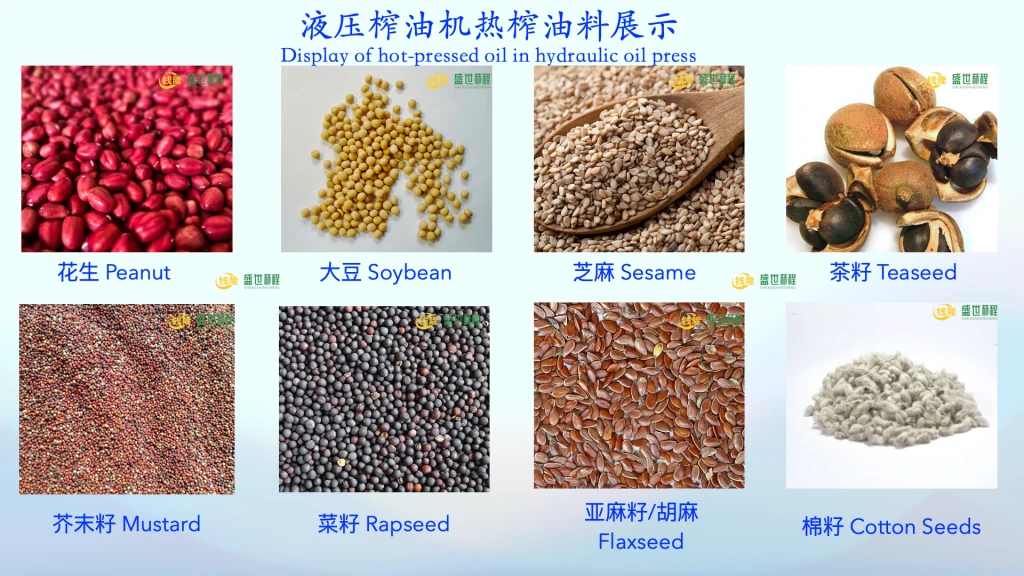
Many purchase mistakes happen because buyers compare machines before they compare raw materials. In real projects, sesame, walnut, peanut, flaxseed, almond, coconut, and cocoa do not behave the same inside a press chamber.
Start with the working video below, then use the buyer logic in this guide to match material characteristics to the right machine path.
Quick answer: how should buyers choose by raw material?
Choose the machine after you answer five questions: what material you press most often, whether it needs roasting or softening, how much you process per day, what oil quality you want, and whether you run single-material or mixed-material batches.
- High-value specialty seeds often favor hydraulic pressing.
- High-volume continuous production often favors screw pressing or a line with pretreatment.
- Mixed raw materials need flexible operating conditions and easier cleaning.
Buyer logic before machine logic
1. Identify your main raw material, not every possible raw material
If 80% of your business is sesame, choose for sesame first. If you occasionally process walnut or almond, that is secondary. Buyers often lose focus by trying to buy one machine that is “perfect” for everything.
2. Define your oil product goal
Are you selling premium cold-pressed retail oil, custom pressing service, workshop-scale edible oil, or factory input oil? The same raw material can lead to different machine choices depending on product positioning.
3. Check preparation requirements
Some materials need shelling, crushing, heating, roasting, flaking, or moisture adjustment before pressing. If pretreatment is required, the best purchase decision may involve a small line rather than just a press.
How different raw materials influence machine choice
| Raw material | Buyer concern | Machine selection logic | Notes |
|---|---|---|---|
| Sesame | Premium aroma, clean output, stable batches | Hydraulic press is often preferred for boutique/high-value oil | Roasting level strongly affects oil flow and flavor |
| Walnut | Oil quality and gentle pressing | Hydraulic press usually suits specialty walnut oil | Avoid over-heating when quality is the priority |
| Peanut | Higher throughput and commercial practicality | Depends on scale; screw press is common for volume, hydraulic can suit niche batches | Check roasting and aflatoxin control |
| Flaxseed | Temperature sensitivity | Controlled pressing conditions are important | Buyers should prioritize oil quality protection |
| Almond | High-value small batches | Hydraulic press can be a strong fit | Good for premium niche products |
| Coconut/copra | Material form and pretreatment | Often needs process evaluation before machine choice | Dryness and particle size matter |
| Cocoa liquor/cocoa mass | Special material behavior under pressure | Hydraulic systems are commonly considered | Heating and viscosity control are critical |
How to Choose an Oil Press Machine by Raw Material
Introduction: Why Seed Type Alone Is Not Enough
How to choose an oil press machine by raw material should begin with one simple correction: raw material matters, but it should never be the only input. Many buyers ask for a machine “for sesame,” “for peanut,” or “for soybean,” then expect one direct model answer. In real projects, the right recommendation depends on the raw material plus the business route, the final oil product, and the commercial stage of the project.
The same seed can belong to a visible fresh-oil shop, a premium batch-production workshop, or a more complete small-factory route. That is why raw material should always be matched together with product target, investment stage, and operating style.
Quick answer: what should buyers compare by raw material?
| Decision factor | Why it matters | Effect on machine choice |
|---|---|---|
| Raw material type | Different oilseeds behave differently in production | Influences the recommended press route. |
| Business model | Retail, workshop, and factory projects need different setups | Changes whether the machine should be compact or production-oriented. |
| Final oil product | Fresh oil and filtered bottled oil require different support planning | Affects filtration, roasting, and downstream equipment needs. |
| Investment stage | Startup and expansion-stage buyers should not buy the same way | Determines whether a simpler first machine is safer. |
Why raw material alone is not enough
Two buyers may both process sesame, but one may be opening a street-level fresh-oil store while another is planning a premium bottled-oil workshop. Their equipment logic is not the same. The first buyer needs compact visible operation and lower startup pressure. The second may need stronger batch-production capability and cleaner finished oil. If both buyers ask only for “a sesame oil press,” the recommendation becomes too vague to be useful.
That is why strong supplier communication starts with a fuller description: what seed, what product, what market, and what business stage.
Realistic raw-material interpretation: what buyers should actually evaluate
When buyers say “I need a machine for this raw material,” they should really mean four practical questions:
- How is this material normally positioned in the target market?
- Is the project selling fresh oil, filtered oil, or premium bottled oil?
- Will the machine run in a compact shop environment or a more production-oriented workshop?
- What support equipment will be needed to make the route commercially workable?
This approach gives a much better answer than a one-word seed label.
How sesame should be evaluated
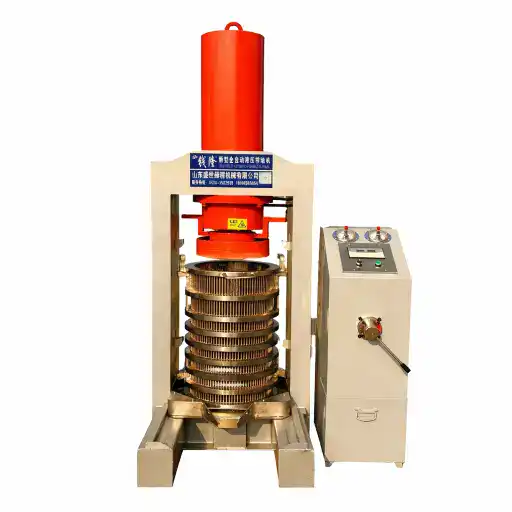
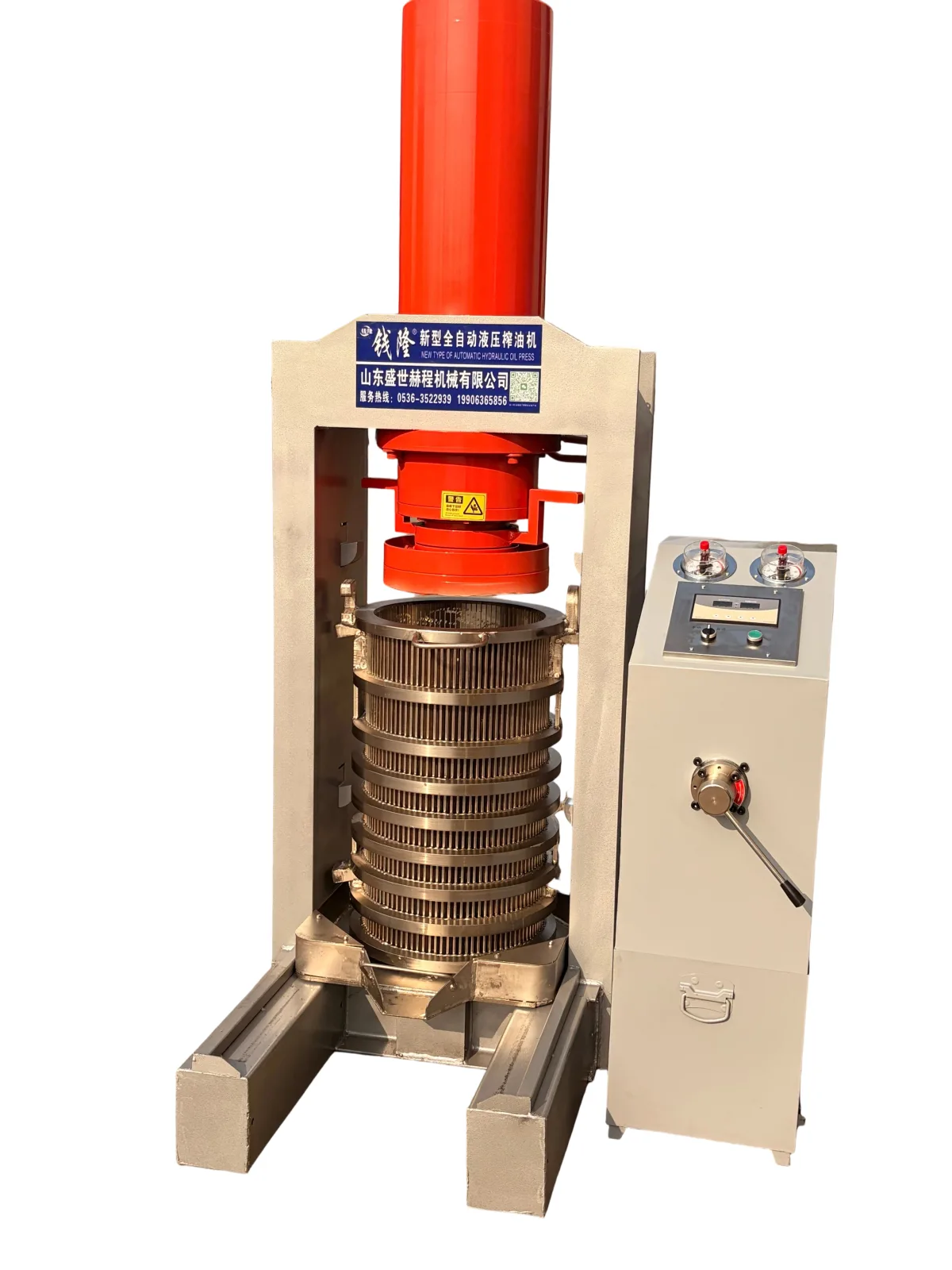
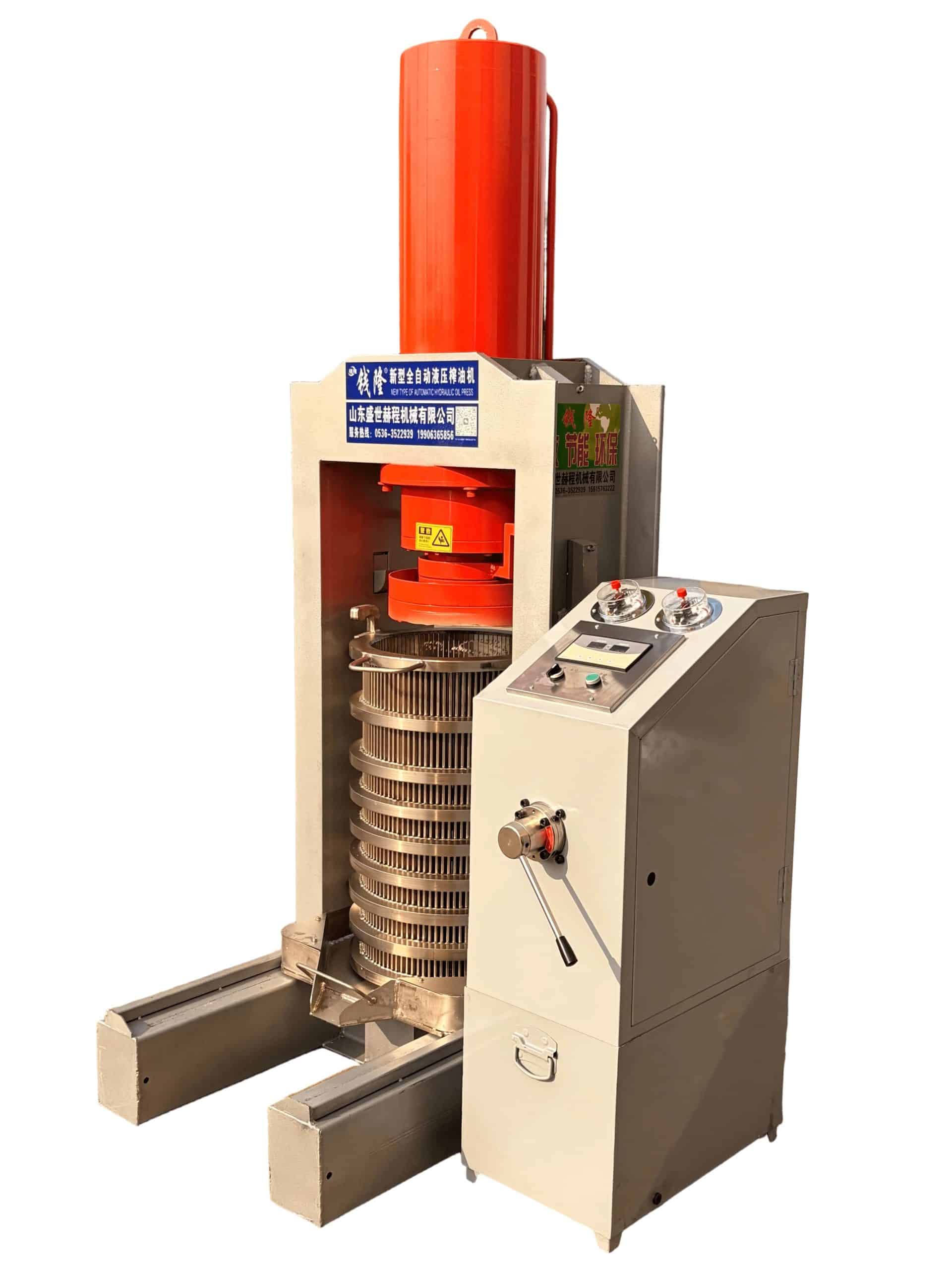
Sesame is often linked to premium oil positioning, so buyers should think about flavor route, commercial presentation, and whether filtration or bottle filling will be part of the plan. If the project is a shop-based visible fresh-oil route, a compact machine may be the practical first choice. If the project is already moving into premium production, the 325 hydraulic oil press machine is often a stronger answer for a more developed sesame route.
So for sesame, the real question is not only “can this machine press sesame?” but “what kind of sesame oil business is being built?”
How peanut should be evaluated
Peanut projects also require business-route thinking. Some buyers want a small visible machine for a retail environment, while others need a stronger production route. Peanut therefore should be judged through the same framework: startup versus workshop versus factory, plus the intended oil product.
When buyers skip this step, they may receive a machine recommendation that technically fits peanut but does not fit the commercial reality of the project.
How soybean and broader oilseed projects should be evaluated
For soybean or broader multi-seed processing, buyers should be especially careful not to compress the decision into one simple raw-material label. A broader oilseed plan may require more complete process thinking, especially if the project is moving beyond retail or premium niche sales. The machine route should reflect whether the business is validating a narrow product line or building a more structured production operation.
That is why a supplier should know not only the raw material list, but also whether the buyer is pursuing a compact startup route or a more complete production line.
Three practical machine routes buyers often compare
- Retail and small-business route: the Korean type small hydraulic oil press machine is usually the better fit when visible operation, compact size, and lower startup pressure matter most.
- Premium cold-press route: the 370T–630T cold press hydraulic route is stronger when the buyer is already positioned around premium batch production.
- Premium sesame route: the 325 hydraulic oil press machine is often the practical commercial answer for sesame-focused premium processing.
Shortlist logic: how to narrow the right machine by material
- Start with the first commercial raw material, not every possible future seed. The first product should drive the first machine decision.
- Define the selling format. Fresh retail oil, filtered oil, and bottled premium oil create different route requirements.
- Match the machine to the business setting. Shop visibility, workshop productivity, and factory planning are different selection environments.
- Check whether the route stays simple enough for the current team. A technically capable route can still fail if it is too complex for startup operation.
This shortlist method usually prevents buyers from overbuying or receiving a generic recommendation that does not fit real use.
Common mistakes when selecting by raw material
- Choosing only by seed name and ignoring the product route.
- Assuming one material always points to one machine model.
- Over-planning for many future seeds before the first product is validated.
- Ignoring filtration, roasting, settling, or filling requirements around the press.
- Copying another buyer’s setup without checking whether the business model is the same.
These mistakes do not only create technical mismatch. They also create commercial mismatch, which is usually more expensive.
How raw-material logic connects to capacity planning
Raw-material selection and capacity selection should be evaluated together. A sesame-focused premium project may shortlist a different route than a broader multi-seed startup, even before formal capacity comparison begins. Buyers who want to study that side of the decision can also review our capacity chart interpretation guide.
FAQ
Can one machine handle multiple raw materials?
Sometimes yes, but the correct decision still depends on which material drives the first commercial route and how the finished oil will be sold.
Is sesame always better matched with a larger machine?
No. Sesame can belong to a small visible retail route or a more developed premium production route. The business model matters as much as the seed itself.
Should startup buyers choose a machine that covers every future plan?
Usually no. It is normally safer to choose a route that fits the first proven product and expand later with clearer market feedback.
What information should I give before asking for a recommendation?
Share the raw material, target product, business setting, investment stage, and whether support equipment is needed now or later.
Conclusion
Choosing an oil press machine by raw material is necessary, but it is only the first layer of the decision. The better method is to match the seed together with the product route, business model, and investment stage. Buyers who follow this logic avoid generic recommendations and are more likely to receive a machine route that actually fits how the business will make money.
Buyer scenarios by raw material
Sesame oil buyer
If your business depends on premium sesame oil, machine choice should focus on batch consistency, easy cleaning, and controlled pressing temperature. Buyers in this category usually care more about oil aroma and clarity than about maximum hourly throughput.
Walnut or almond oil buyer
For high-value nut oils, gentle pressing and manageable batch control matter. A hydraulic press is often attractive because it supports boutique production where selling price per liter is high enough to accept slower batch operation.
Peanut oil buyer
Peanut projects often split into two paths. If you want scale and continuous commercial output, compare screw press systems. If you want premium, smaller-run, or custom pressing, hydraulic options may still work.
Flaxseed buyer
Flaxseed buyers should watch temperature and oxidation risk. The right purchase decision is usually the system that best protects oil quality, not simply the system with the fastest nominal throughput.
Coconut or copra buyer
Coconut-related projects depend heavily on raw material form. Fresh coconut meat, dry copra, and specialty virgin coconut oil workflows are not the same. Buyers should define process route first, then confirm the press type.
When hydraulic oil press machines make the most sense
- You produce high-value oils in smaller batches.
- Your customers care about quality, clarity, and premium positioning.
- You change materials regularly and want manageable cleaning.
- You prefer batch control over continuous high-volume throughput.
When a buyer should also compare screw press options
- You need continuous production at larger scale.
- Your main raw material is processed in long, repetitive runs.
- You prioritize throughput and labor efficiency over boutique batch control.
- You are building a broader pretreatment and extraction line.
Practical machine-selection checklist by raw material
- Name the top one or two materials you will actually process.
- State whether you sell premium retail oil or commodity output.
- Estimate daily input in kilograms for each main material.
- List pretreatment needs: shelling, roasting, grinding, heating, filtering.
- Decide whether batch flexibility or continuous throughput matters more.
- Then compare machine type, chamber size, pressure control, heating, and cleaning time.
Common buying mistakes
- Choosing based only on machine price without checking raw material behavior.
- Using peanut logic to buy for sesame or walnut projects.
- Ignoring pretreatment equipment in the total budget.
- Buying for too many materials at once without a primary revenue material.
FAQ
Can one oil press machine handle many different materials?
Yes, but not equally well. A machine can be flexible, yet buyers should still choose based on the main revenue material.
Should I choose hydraulic or screw press first?
Choose based on raw material value, quality target, and production mode. Specialty, premium, smaller-batch oils often point toward hydraulic pressing, while larger continuous output often points toward screw pressing.
What information should I send before asking for a quotation?
Send the raw material name, daily processing target, pretreatment plan, desired oil quality, and whether you need a single machine or a full line. That produces a far better recommendation.
If you share your main raw material and target output, we can help match you to the right oil press machine path with fewer trial-and-error purchases.
For buyers who need a more stable commercial batch route, the 325 hydraulic oil press machine is often the practical next step.
If you want a practical equipment recommendation based on raw material, target output, and business stage, please contact us.
For shop-based retail, custom pressing, and low-volume startup routes, the Korean type small hydraulic oil press machine is often the better first-stage choice.
Additional Machine Reference
Project planning
Configure the right oil press and production line
Send your oilseed, target output, bottle or packaging requirements, power supply, and destination country. We will match the machine, supporting equipment, and line layout.